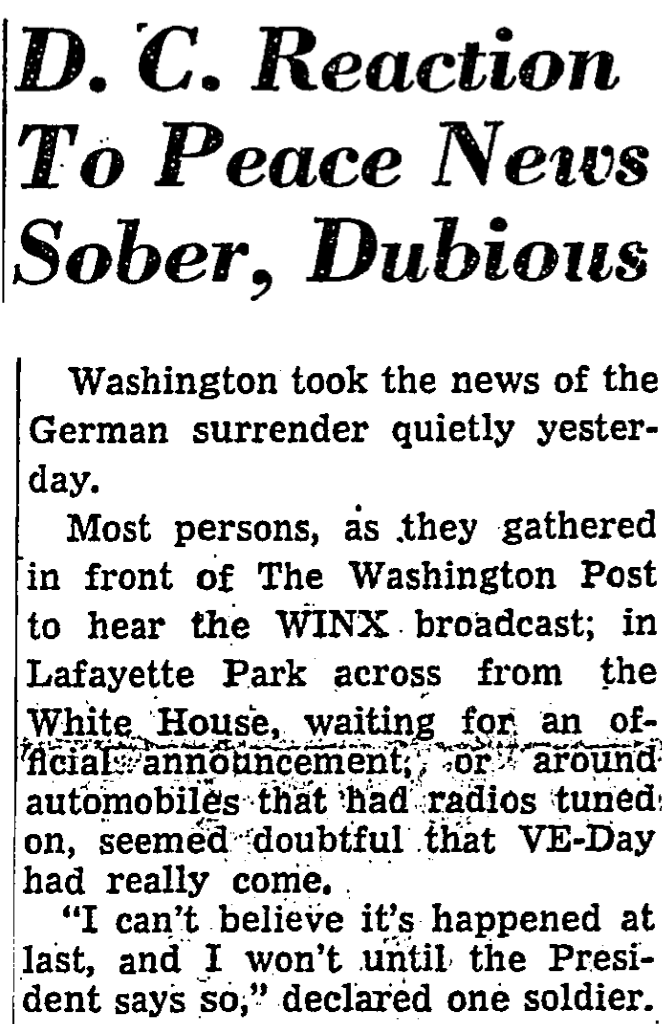


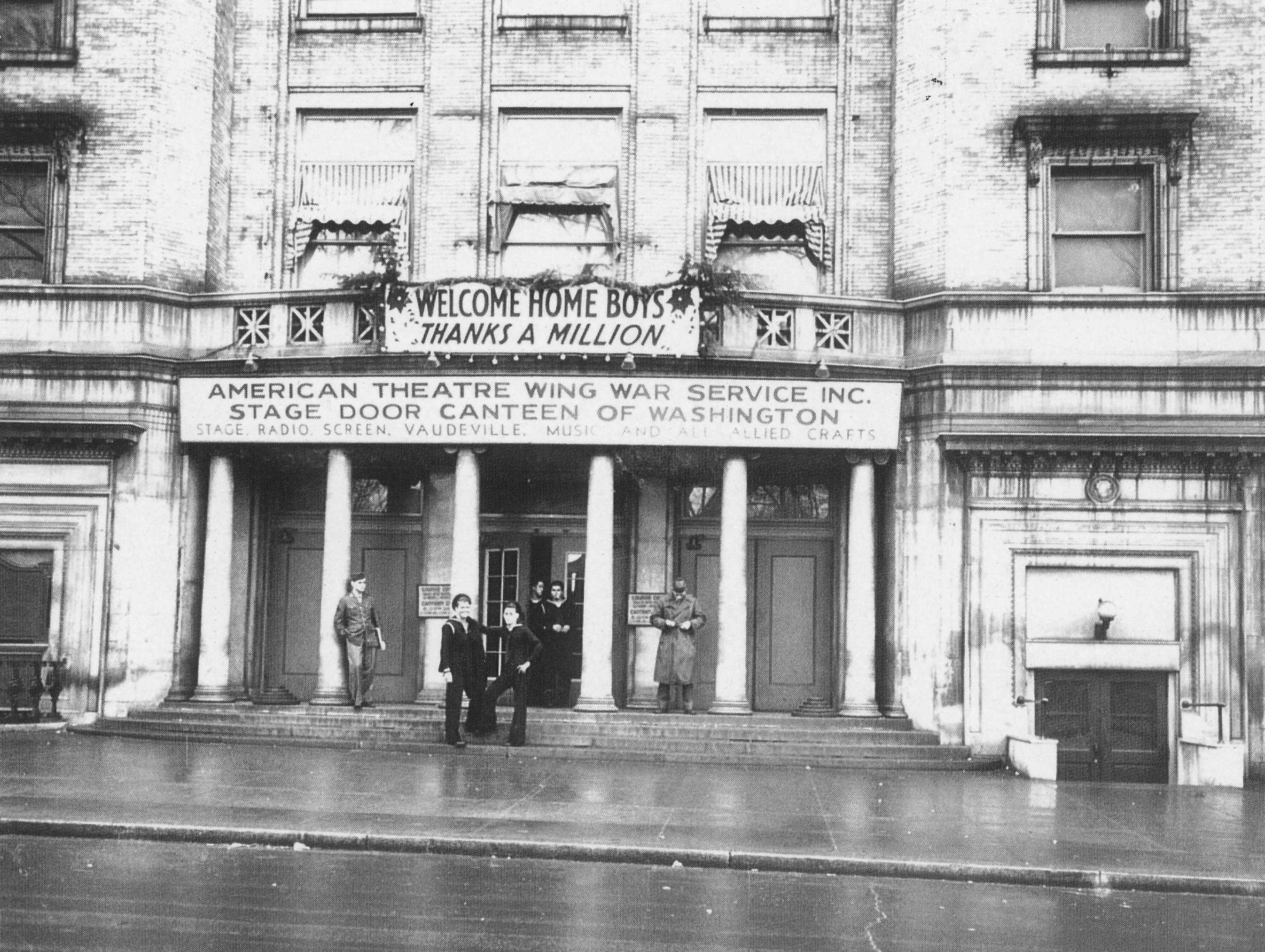
Check out the latest White House History Quarterly. The theme is The White House and World War II. It includes my article, “Celebrity Square: Politics and Performance at Washington’s Stage Door Canteen.” I’ll be posting more about WWII Washington as we commemorate the 80th anniversary of V-E Day on May 8th, and V-J Day on August 14th
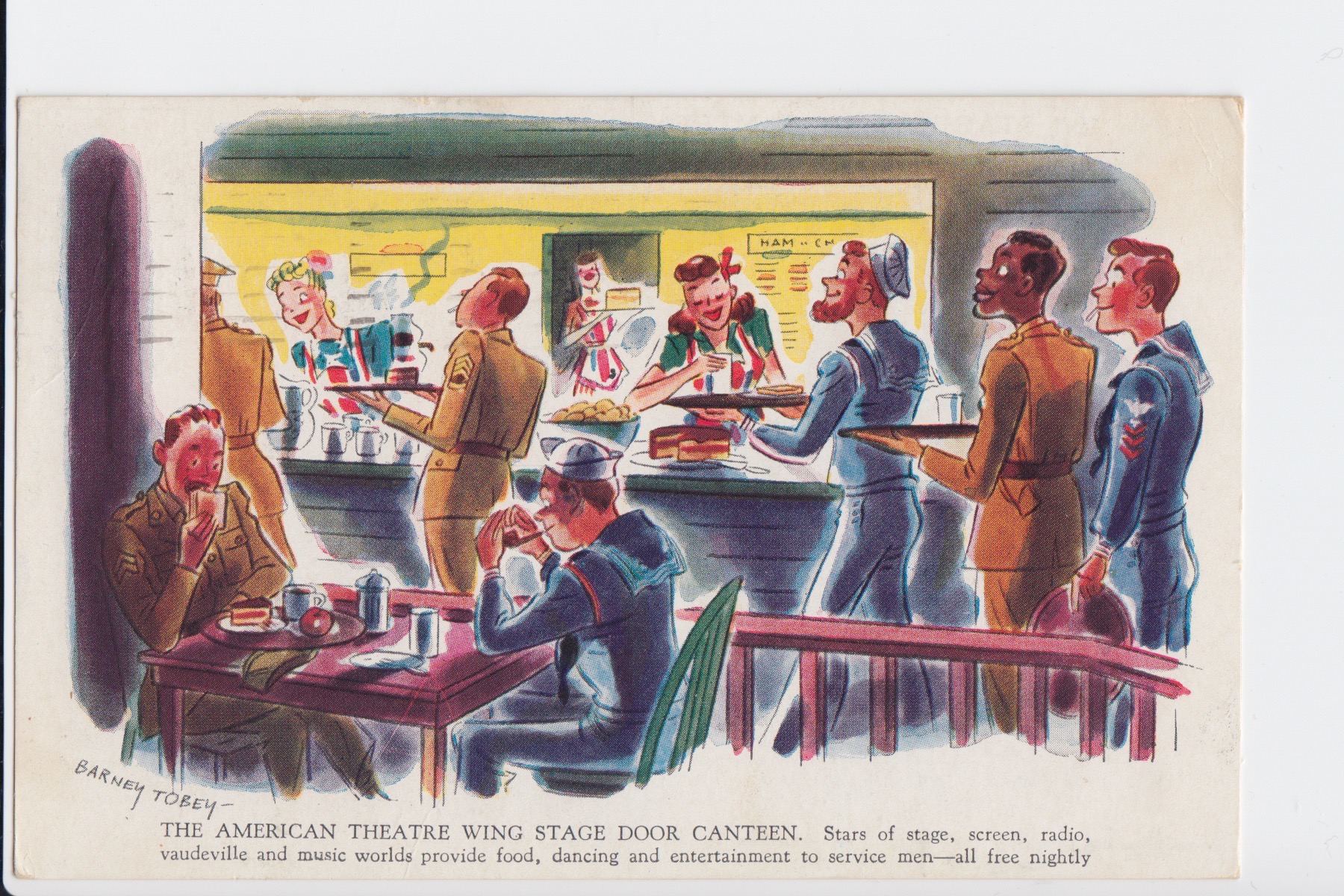

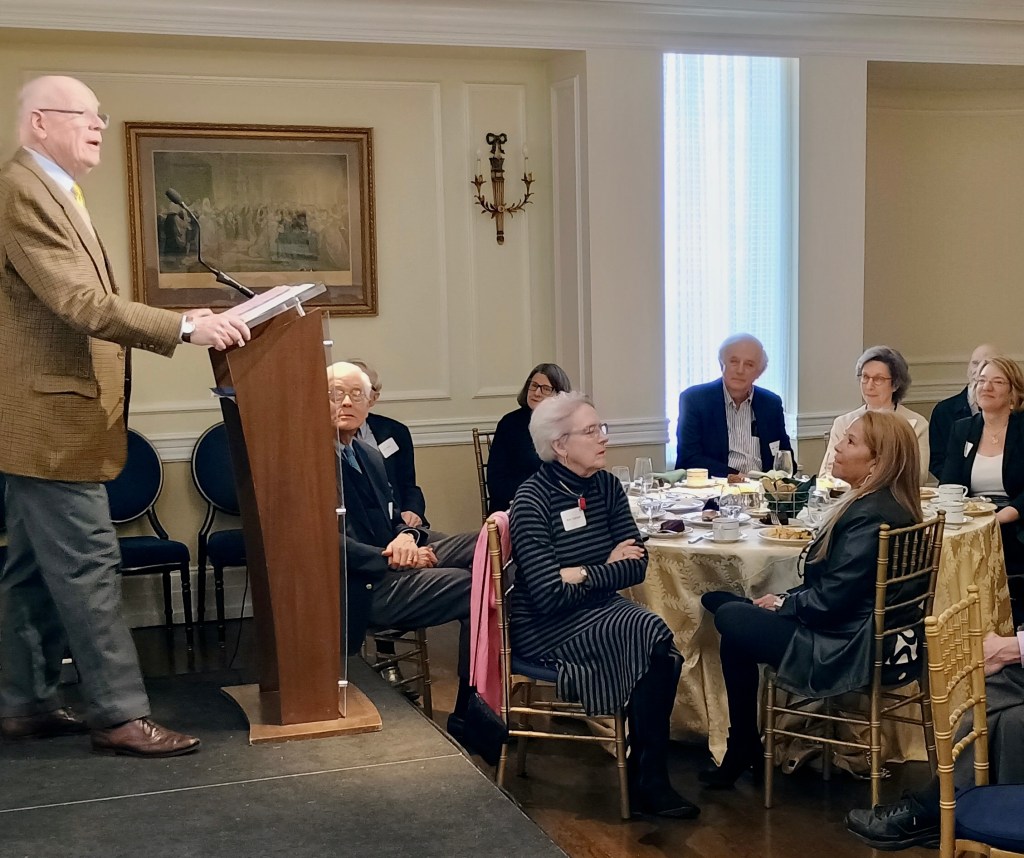
Steve Hammond presents on and leads a panel discussion on how descendants of the enslaved and free people at the Arlington House plantation have found one another and come together after more than 160 years.
For more information on the descendants and their stories see:
NPR story about the 2023 family reunion.
CBS This Morning – Arlington House reopening 2021
Nancy Syphax – Life and Legacy, An Enslaved Resident of the Historic Decatur House


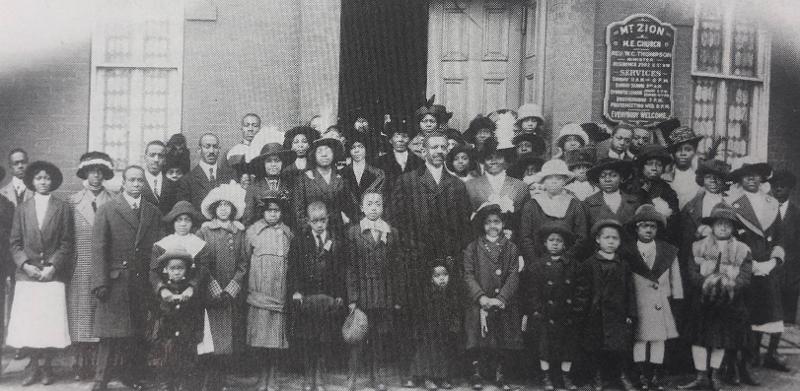
Check out this terrific new doc from the PBS Legacy Series. And for more on the history of the Black community in Georgetown, check out the landmark 1991 book and doc, Black Georgetown Remembered. All three include stories and interviews with Georgetown residents past and present for a compelling glimpse into the neighborhood’s vibrant past.
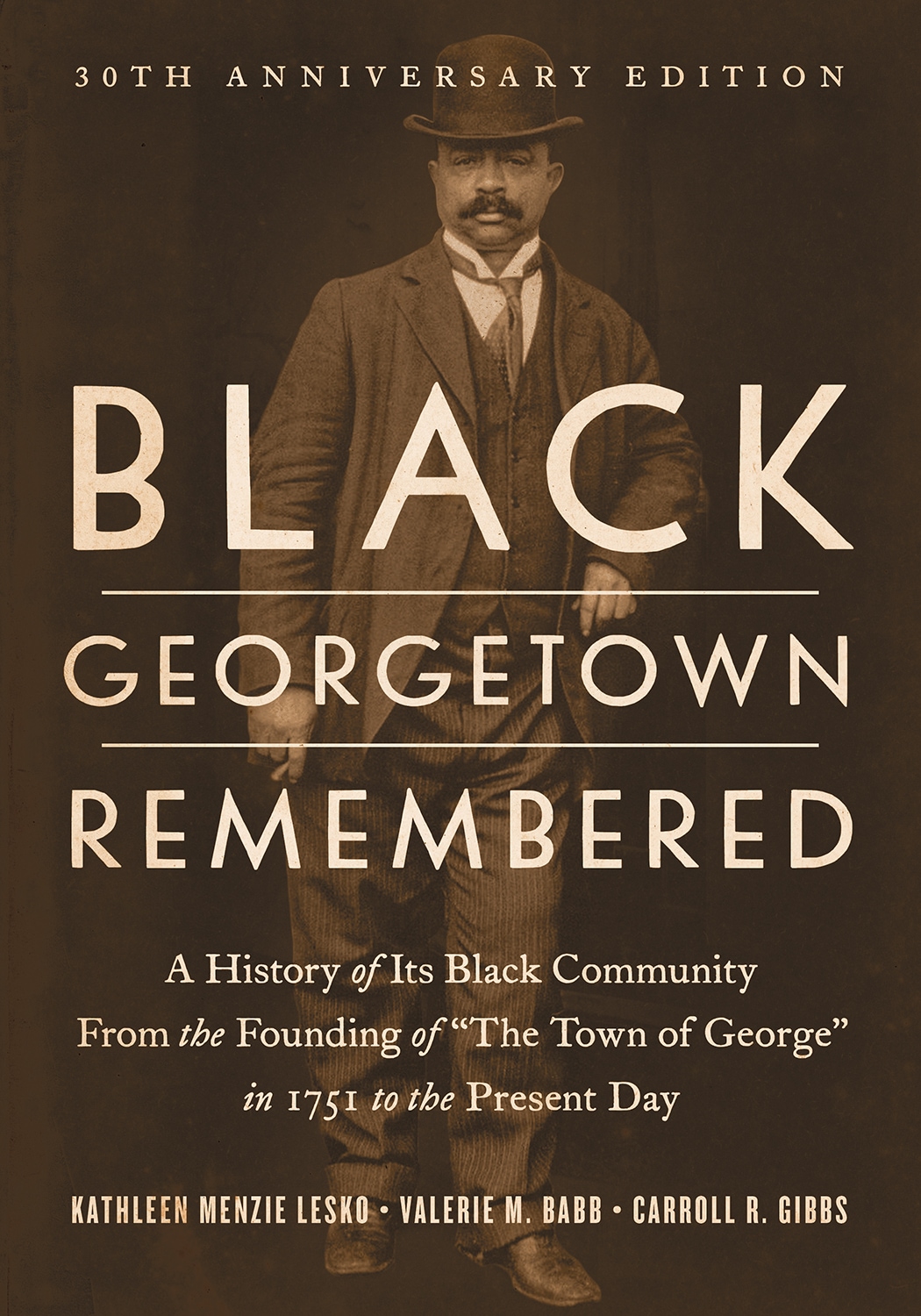
https://press.georgetown.edu/Book/Black-Georgetown-Remembered

Loretta Neumann Smith discusses the life and experiences of her late husband, Dan Smith, believed to be one of the last known children of an enslaved person.



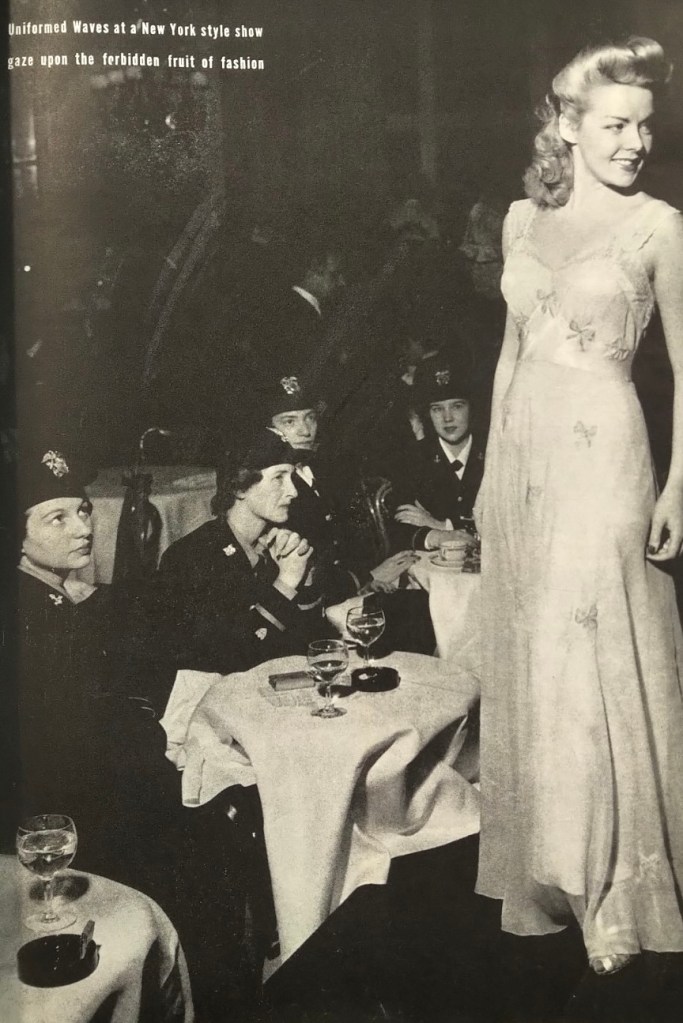

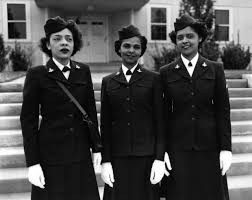
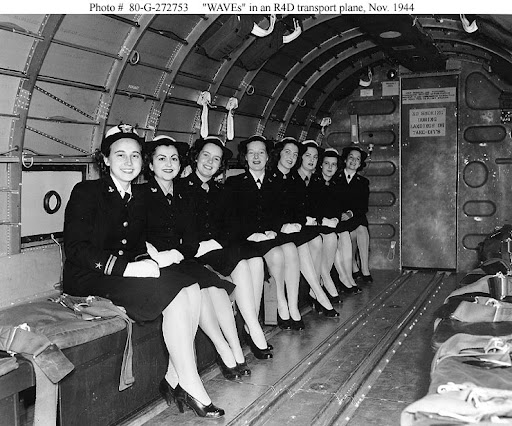
During the social disruptions of World War II, American media tried to assure its audience that women who served in the military would retain traditional gendered behavior and femininity. Because these women pushed generally expected and accepted professional boundaries, maintaining a “womanly” public image was important to the Navy.

The Navy hired couture designer Mainbocher to create an appealingly glamorous outfit and used it as a selling point to recruits. While some women admitted to joining the Navy because of the uniform, the vast majority were attracted to the carer opportunities and making a contribution to the war effort. So, I have to wonder whether, as the caption suggests, those WAVES at the Ritz fashion show were really looking at the model with envy. Maybe it was a sense of pride at what they were wearing instead.





 CINDY GUELI